
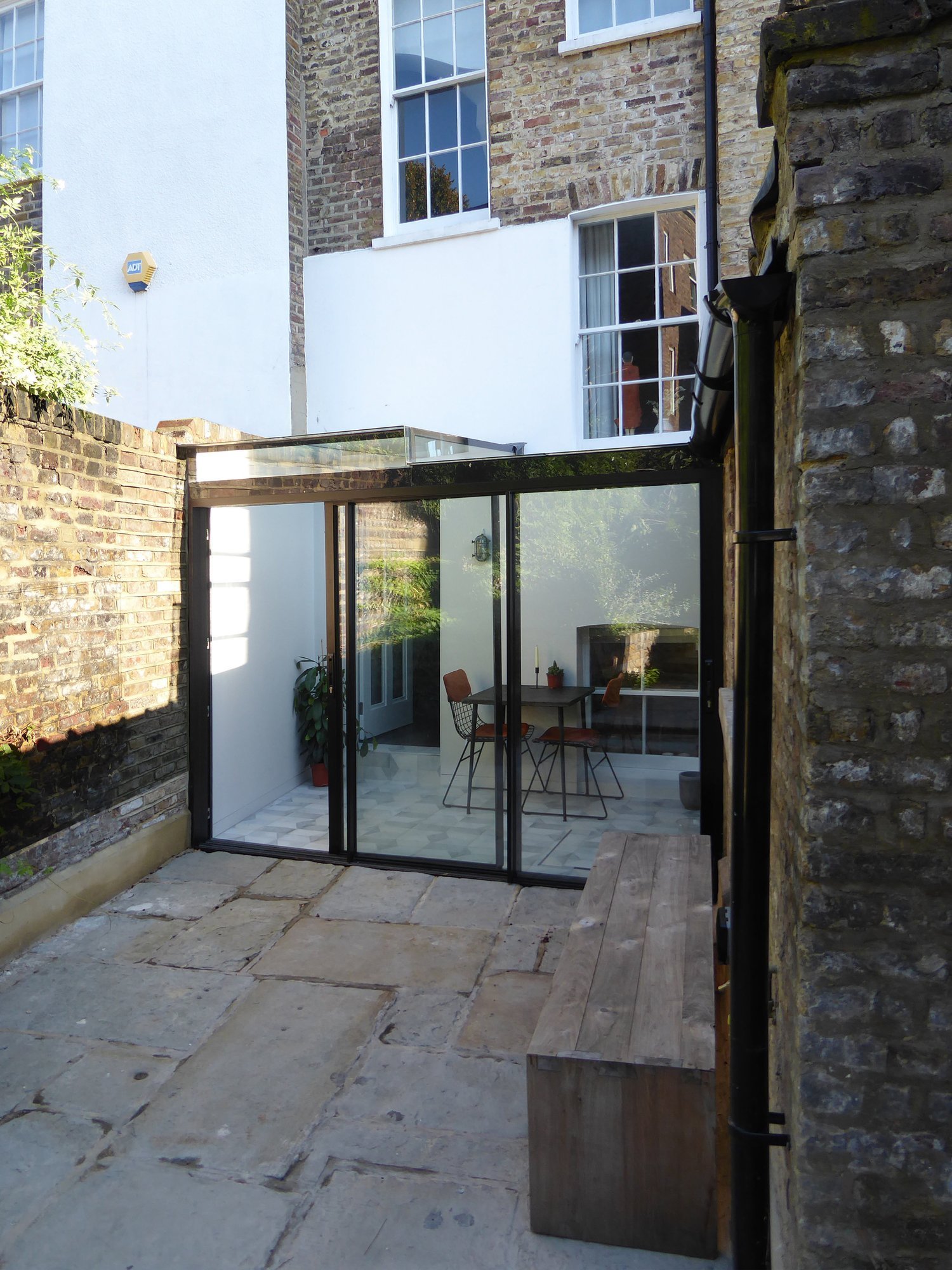
Enhance your Building Preserve its Heritage
A listed building isn't a limitation; it’s a privilege and an opportunity
Why enhance a listed building?
Owning a listed building is one of the most rewarding forms of stewardship there is
These are buildings of real historical and architectural significance. The constraints that come with that designation, properly understood, are not obstacles to good design; they are the brief.
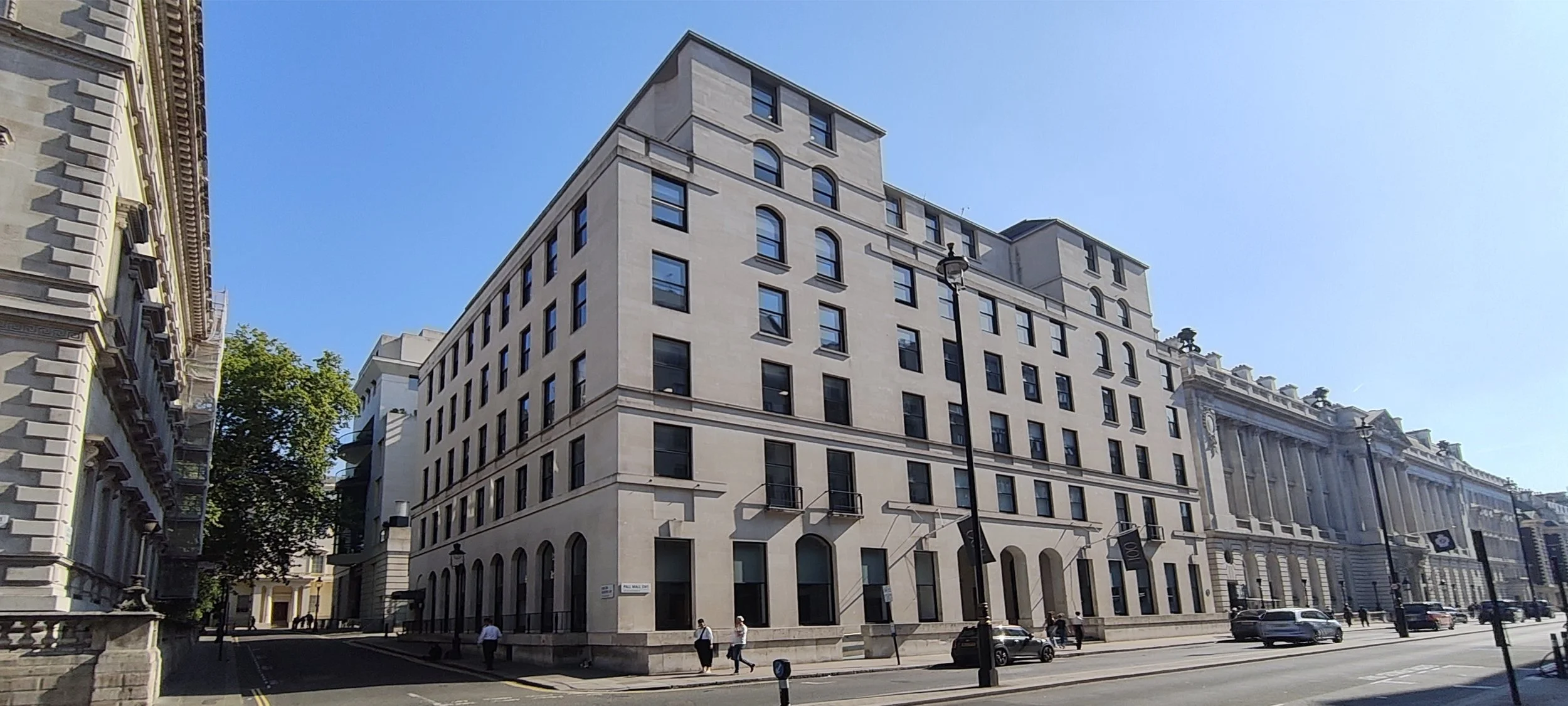
We have extensive experience working with Grade II listed buildings: Victorian terraces, Georgian townhouses, interwar mansion blocks and rural conversions. We understand what local planning authorities and Historic England are looking for, how to frame an application to maximise the chance of consent, and how to design interventions that genuinely enhance the character and significance of a building rather than compromising it.
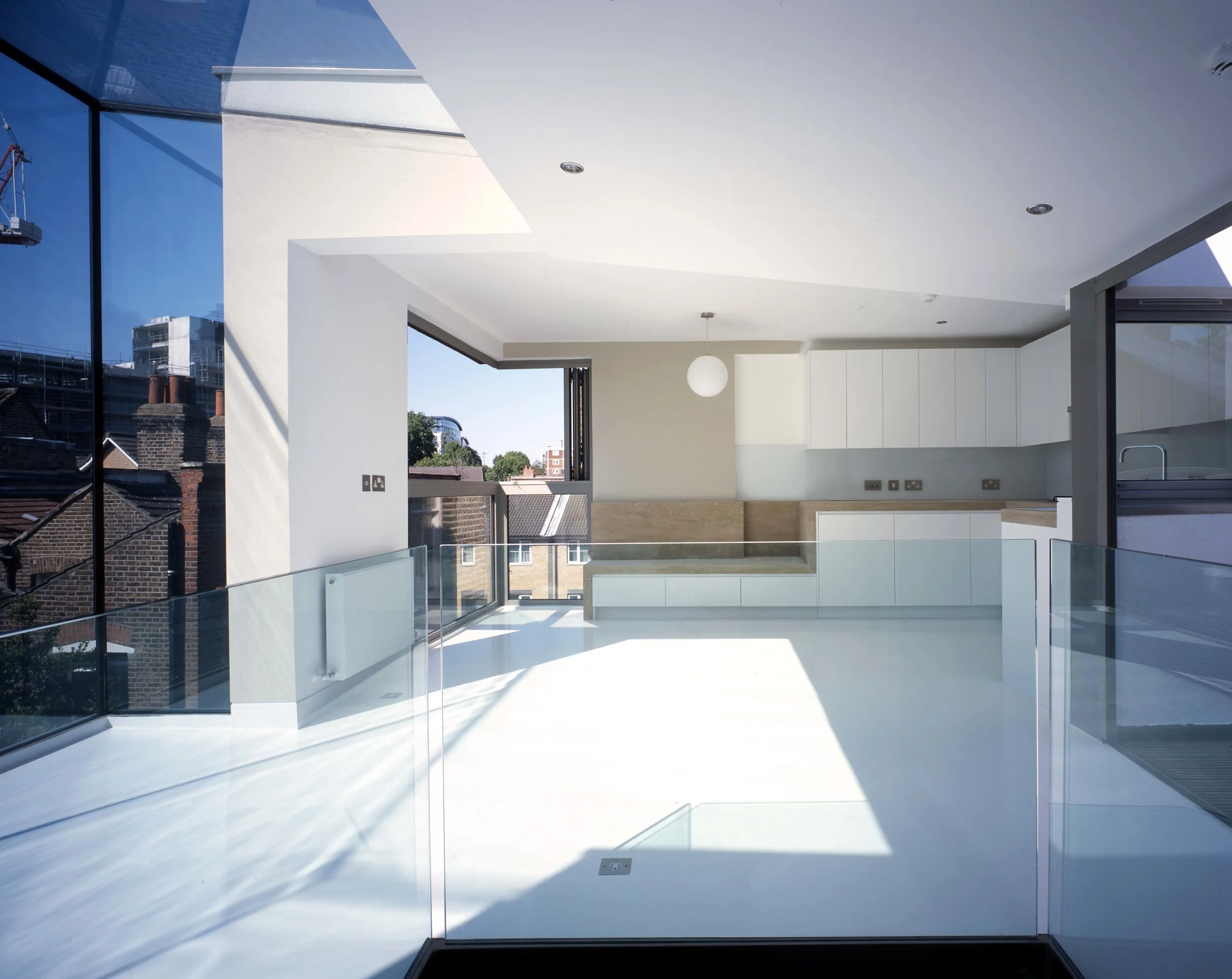
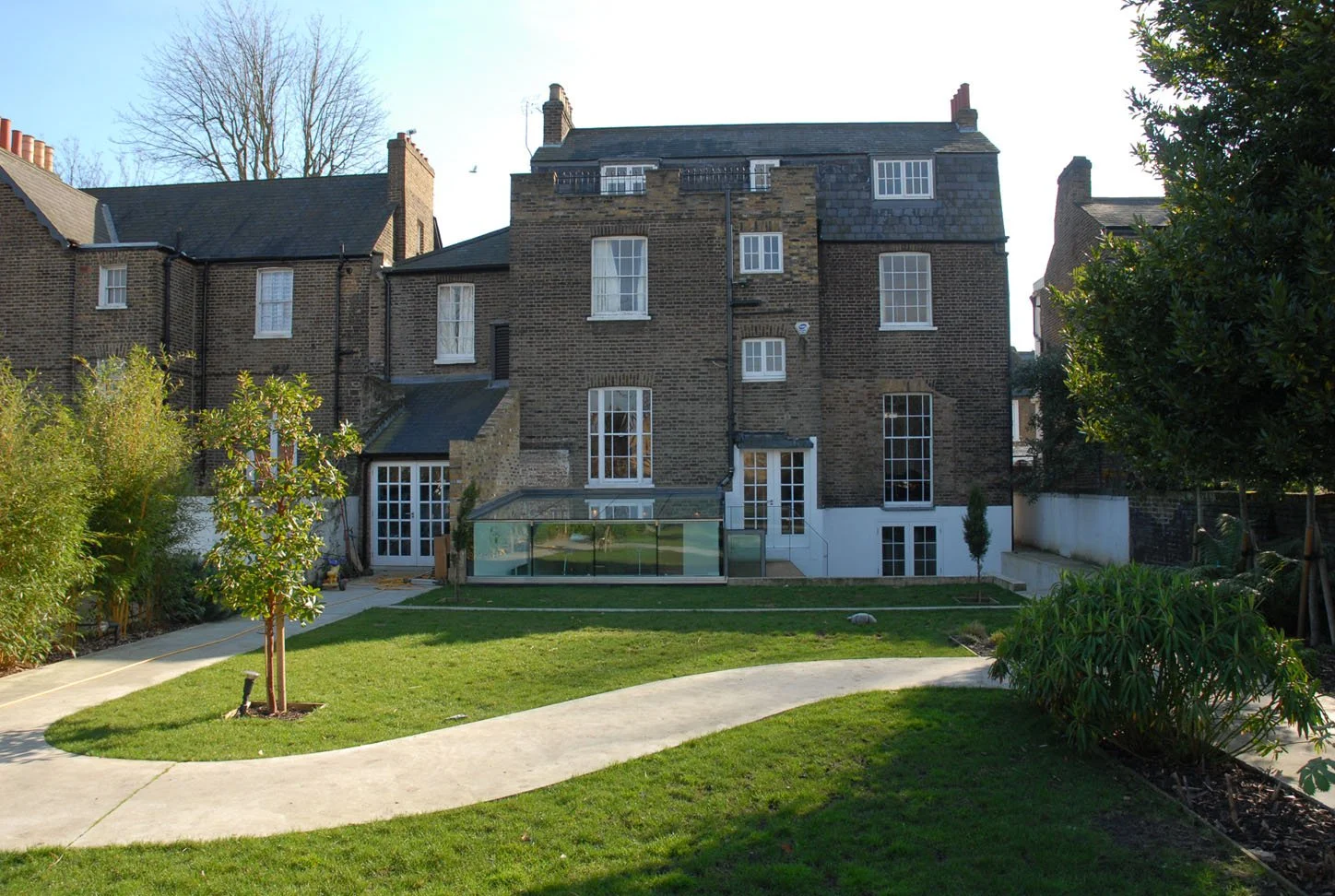
Before & After | See a recent transformation: Camberwell Grove.
Recent projects
What we have built
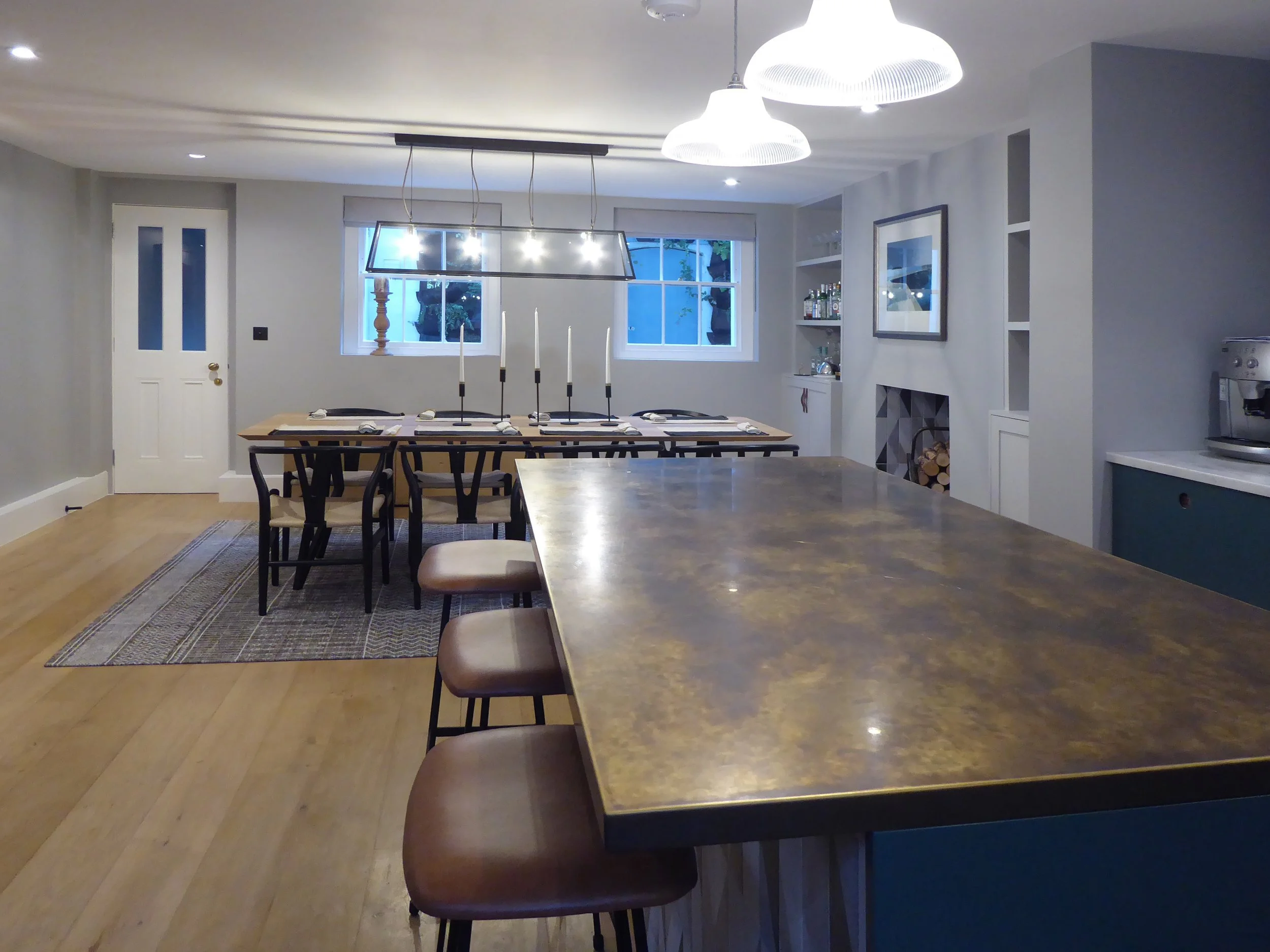
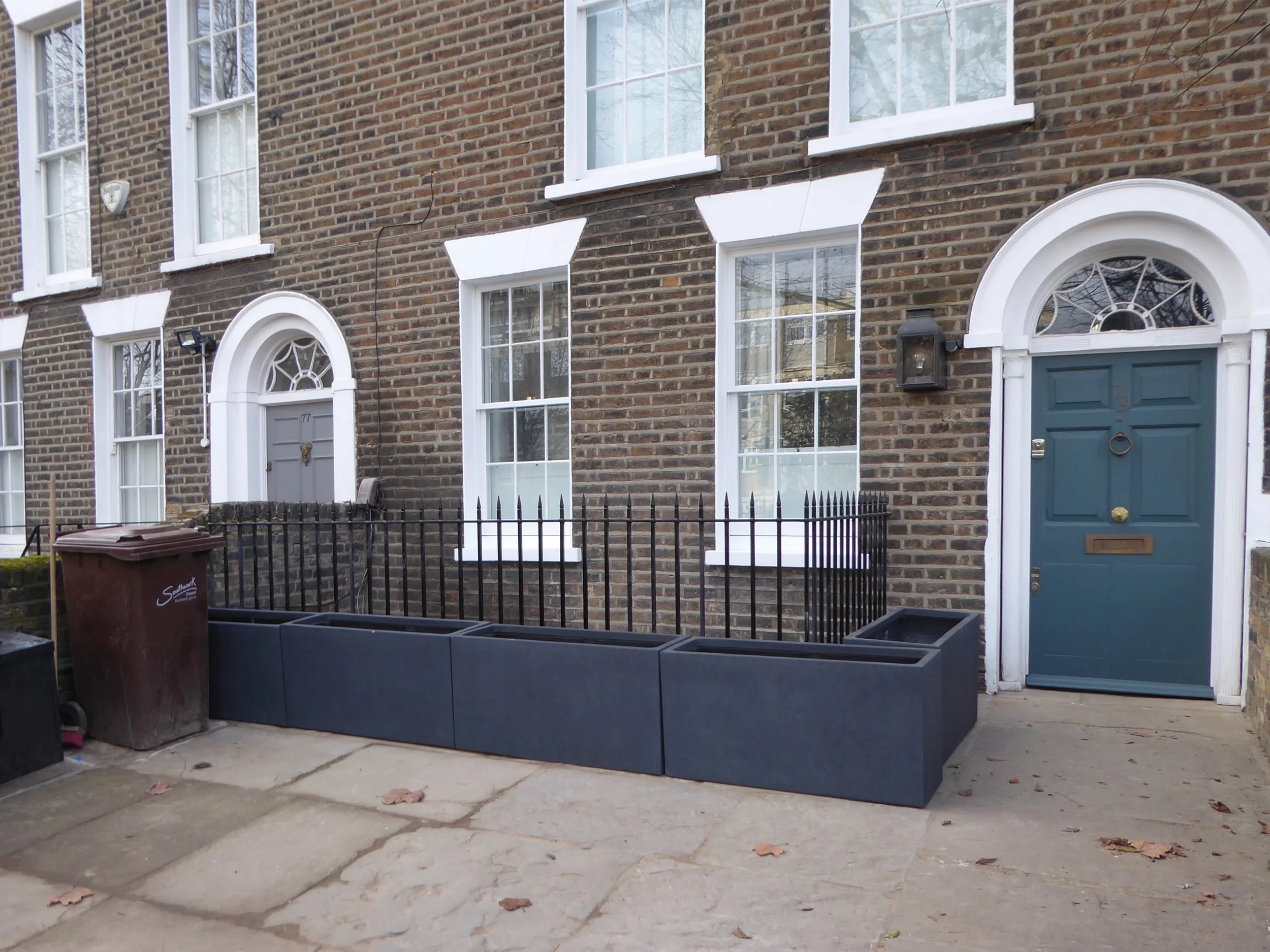
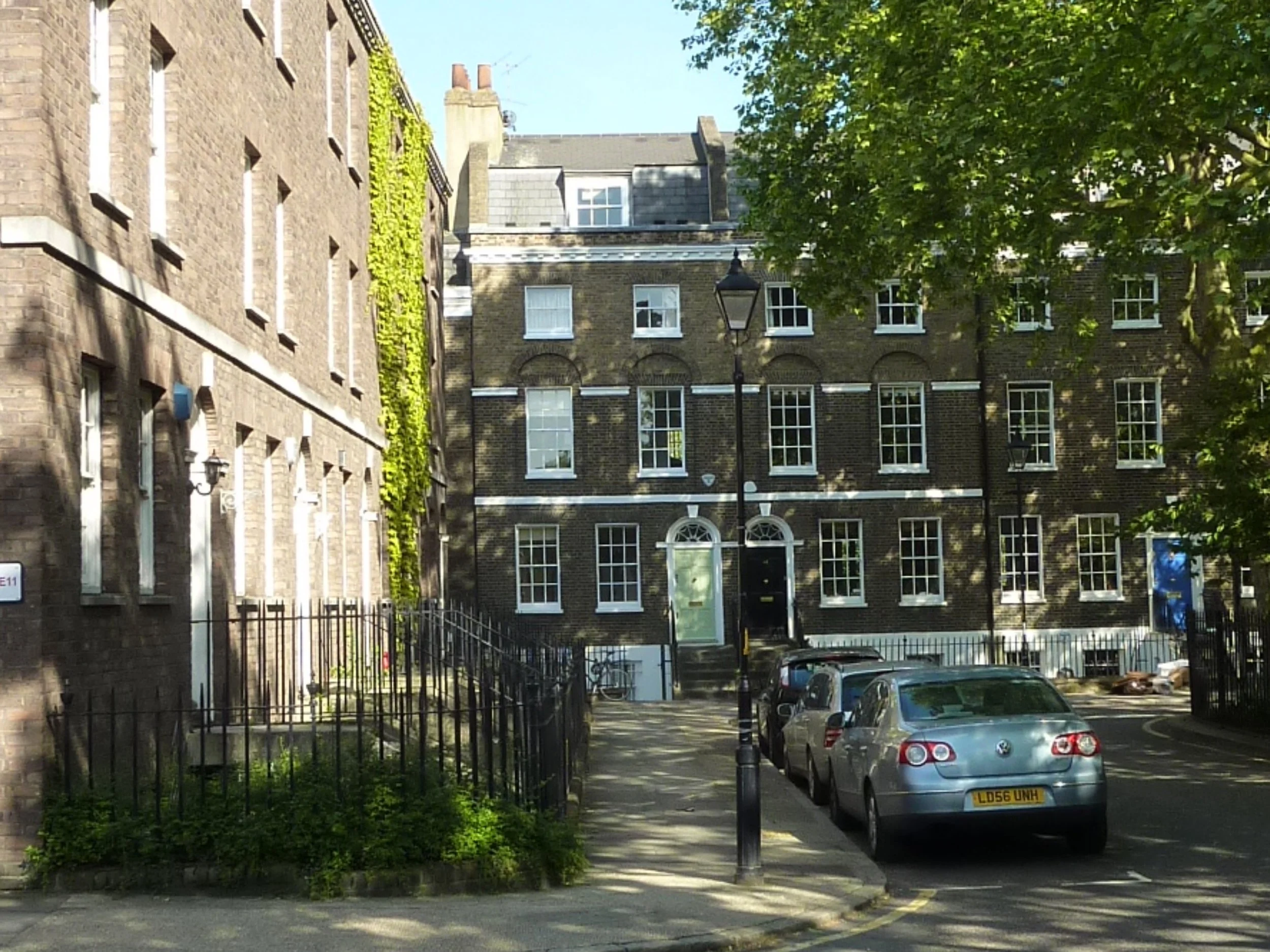
How we work
From initial inquiry to finished scheme - Six clear stages
For all new business enquiries, we begin with a free one hour consultation. If possible, before you contact us please draw up a brief (a wish-list for the project). We can see your project through the whole process from planning to construction completion or limit services to the initial stages. How much or little you commission is up to you.
01
Consultation [FREE]
We visit your home or have a virtual meeting to assess feasibility, discuss your ideas and give you an honest picture of what is achievable and at what potential cost.
02
Measured Survey & Concept Feasibility
We carry out a detailed measured survey of your property. This is the foundation for all design and planning work. We produce architectural drawings, design options (based on your design ideas) and highlight problems that need solving. We can also provide an approximate project cost estimate based on previous completed projects.
03
Planning Submission
We revise the architectural drawings and submit your Planning Application and Listed Building Consent. We prepare all supporting information and advise if specialist consultant reports are required.
04
Final Design & Detailed Design
We finalise the design materials, finishes, appliances and fittings, along with electrical layouts. We help you to appoint a structural engineer, along with any other specialist consultants, such as Party Wall surveyors etc. We prepare detail design drawings and co-ordinate with the structural design and any other consultants appointed. We check the detailed design for compliance with building regulations.
05
Tender & Construction
We help you select a contractor, review quotes and set up a fair, transparent building contract. We administer the contact, inspect the works on site, and are available throughout the build. We keep a track of cost and can check payments due to the builder.
06
Handover & Close Out
We inspect and value the works to certify Practical Completion at handover. We then stay in touch through 6 month defects period and carry out a final inspection to certify the last payment, protecting your interests to the very end.
Client Testimonials
What our clients say
★★★★★
“Michael and MTA were excellent. They thought about all the necessary details and added extras we wouldn't have thought to include. They were outstanding project mangers, working really well the with the contractors and ensuring that the contractors were on time. MTA paid real attention to detail. And of course the design is fantastic. We are absolutely thrilled with the result.”
Ben Winchester
★★★★★
“I recently bought a Grade II listed Georgian house in London and was looking for a local architect who could help me to prepare the planning applications for the refurbishment works. I came across Michael Trentham Architects because they had previously designed a spectacular modern basement extension for my house which blends extremely well with the original building. For this project, they also intervened in securing the planning permission and supervising the building works. Among other refurbishment works, I was looking to install double glazed windows, which was quite an ambitious task in listed building and unprecedented in our borough. With the unremitting aid of Michael Trentham Architects, our planning application for slim double glazing succeeded in appeal. Their professionalism in gaining this planning permission in challenging circumstances was utterly exemplary. Working with them was easy. They were motivated from the very beginning. The planning applications were submitted swiftly, they responded quickly to emails, paid attention to every remark, provided excellent advice and explained every of their proposals. They were confident, efficient, rigorous, and knowledgeable with local council policies. I cannot thank Michael and his team enough for the great work they have done and all the patience they have shown. It was a pleasure of working with them. I would undoubtedly use them again in the future and definitely recommend them to my friends and neighbours.”
Gita Brochard
★★★★★
“We wanted to say a big thank you to your team for stepping in and helping out at a moment's notice. It has been an absolute whirlwind, total chaos and a steep learning curve, which your team has helped us expertly and successfully navigate. We are extremely grateful to you all for getting us over the line every single time, allowing this project to come to life. Thank you.”
Eleanor Lucas
Common questions
What people ask us most
-
Listed building consent is required for any works that affect the character or significance of a listed building, internally as well as externally. This is broader than most owners expect and includes removing fireplaces, changing windows, altering historic joinery and, in some cases, repainting. Restrictions are not limited to the building's listing description. We assess this precisely and advise on what is and is not likely to be approved.
-
They are separate consents, both of which may be required. Planning permission covers changes to use, external appearance and new structures. Listed building consent covers anything that affects the special architectural or historic interest of the building. A project that needs planning permission will need Listed building consent. If the work relate to the interior only this might be only Listed building consent. We will advise and manage both processes.
-
Yes. Particularly in London, where listed buildings often command a premium that reflects their character and rarity. The key is understanding the scope and cost of works before you commit. We regularly advise buyers before exchange, to give them a clear picture of what is achievable and at what potential cost.
-
For more complex or sensitive applications, a heritage statement will need to be prepared by a specialist consultant. This expertise significantly strengthens the case for consent. For relatively straight forward application we can provide a heritage statement. We can advise on this at the consultation and can recommend consultants we have worked with successfully on previous projects.
-
The statutory determination period is 8 weeks, though complex applications or those requiring Historic England consultation can take longer. We factor this into the project programme and advise on timing from the outset.
