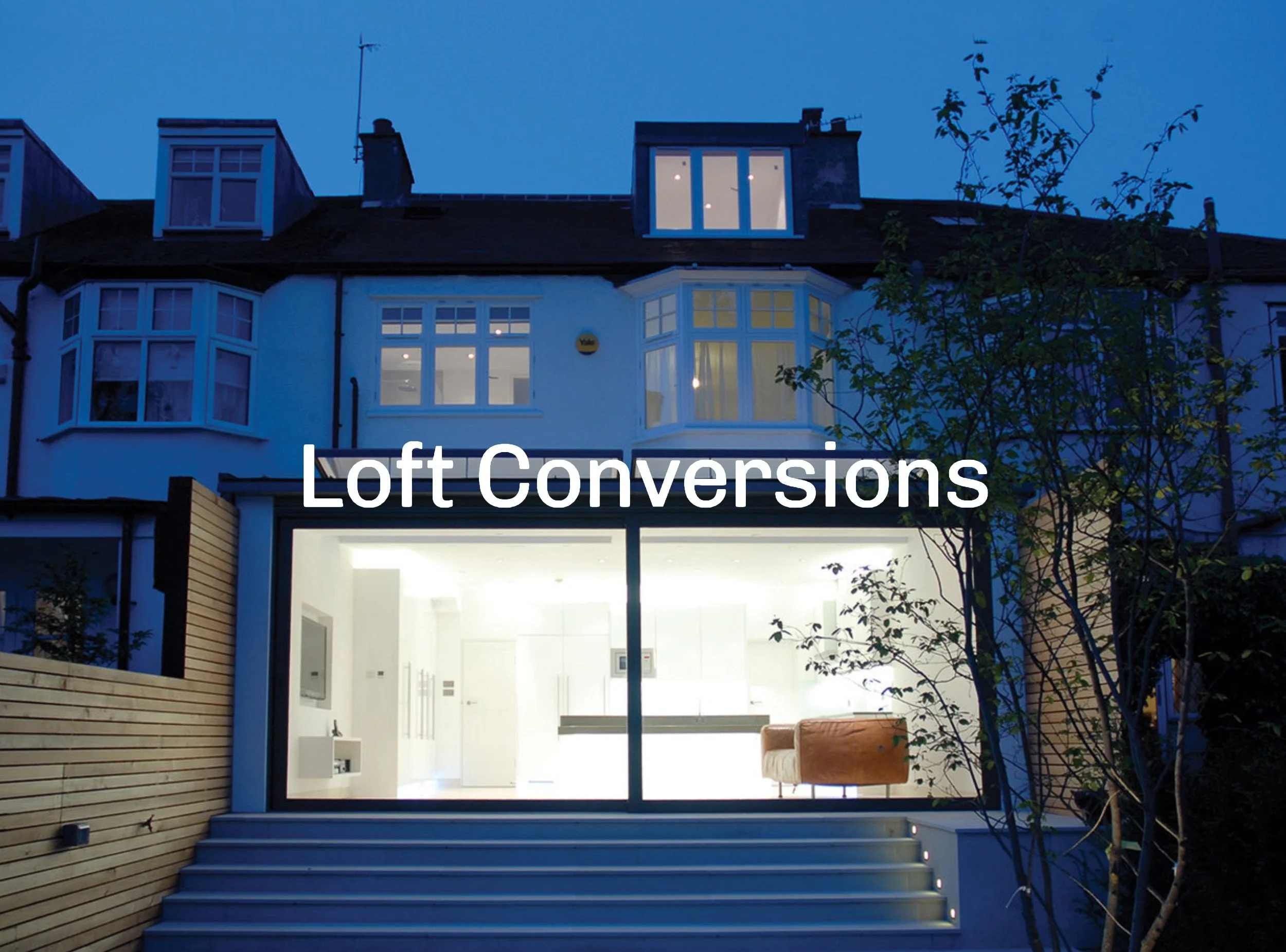
The Space You Need is Already Above You
Convert your unused roof space into a beautiful room without moving house or leaving the neighbourhood you love
Why a loft conversion?
The most loved room in your home, made from space you already own
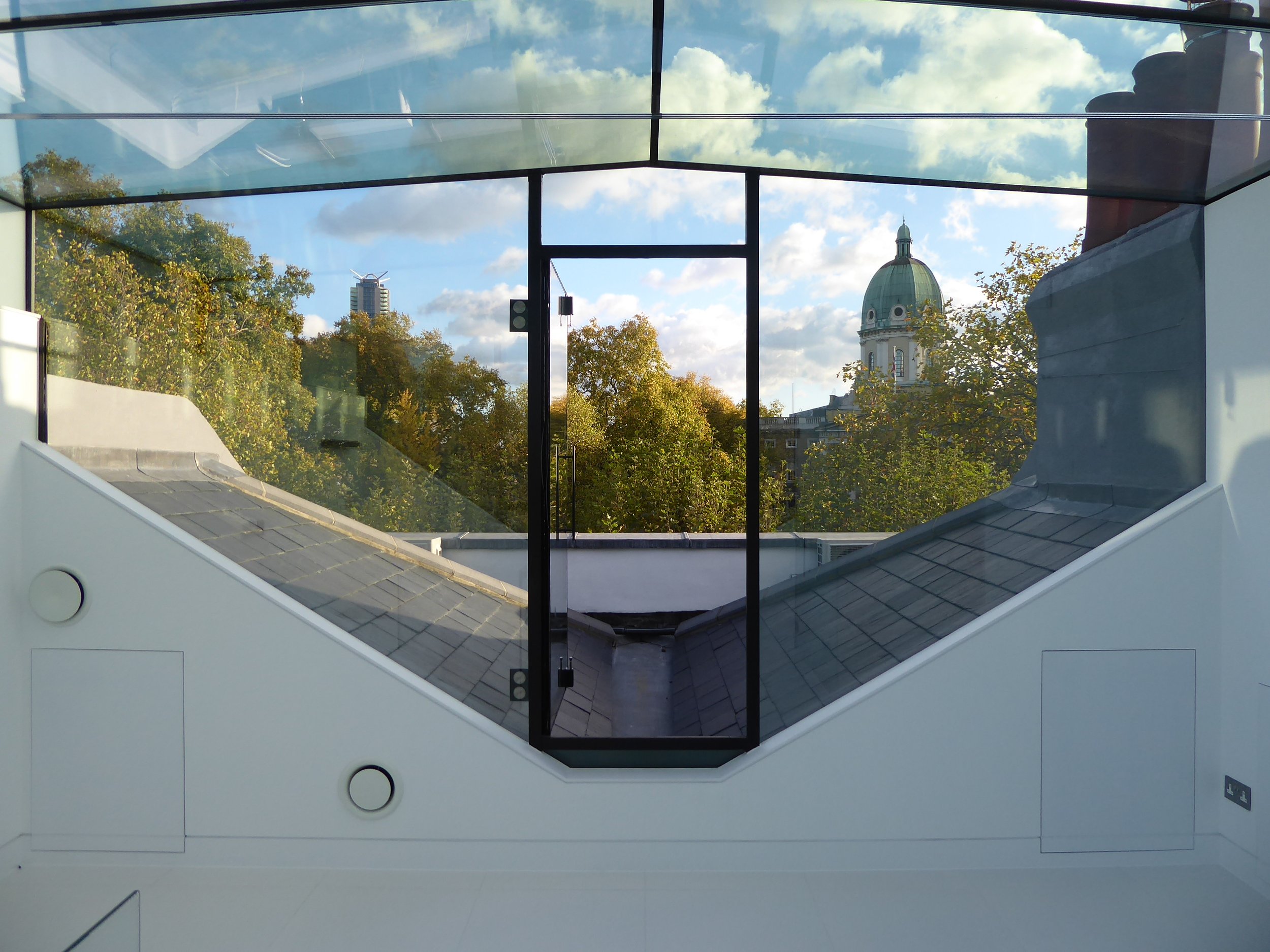
Your roof is untapped potential for your home and your attic can offer far more than simple storage. The opportunity for more space might be right above your head, waiting to be converted into a series of beautifully-designed living spaces that feel like a natural extension of your home.
We design loft conversions that turn underused roof space into comfortable, well-crafted rooms that enhance everyday living.
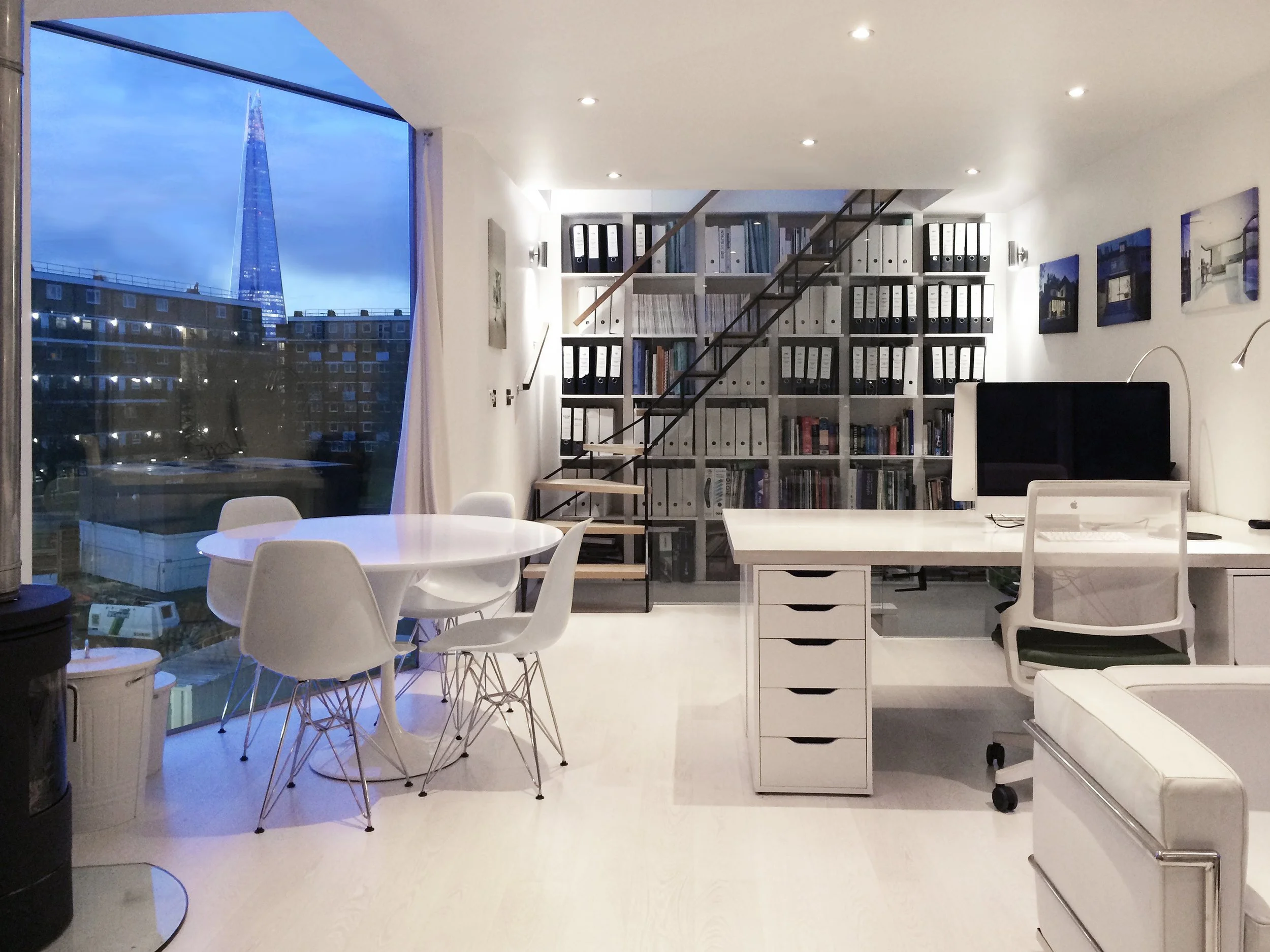
Before & After | See recent transformations: Dulwich Village, Barkham Terrace, Bywater Place, Gayton Road.
Recent projects
What we have built
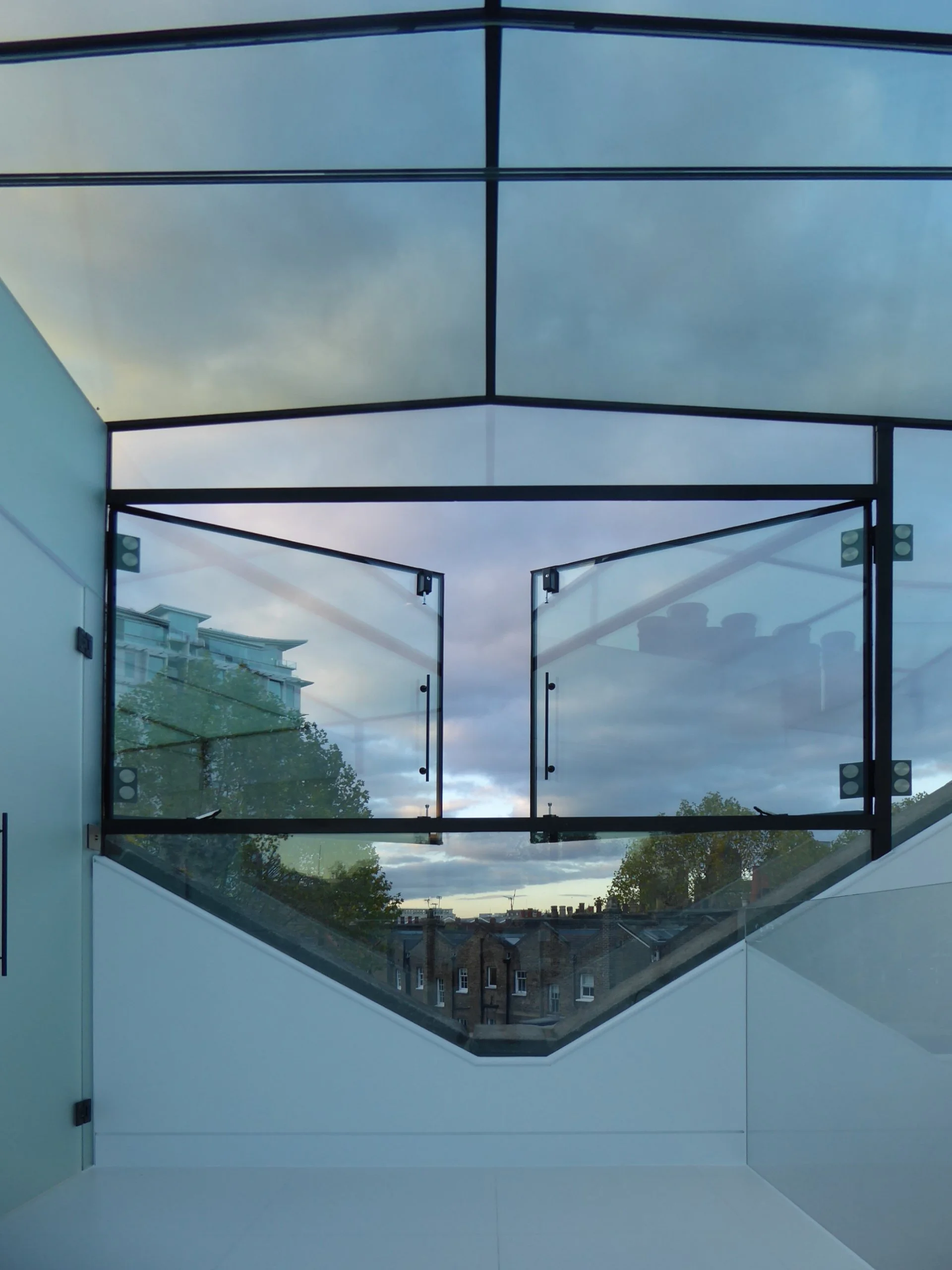
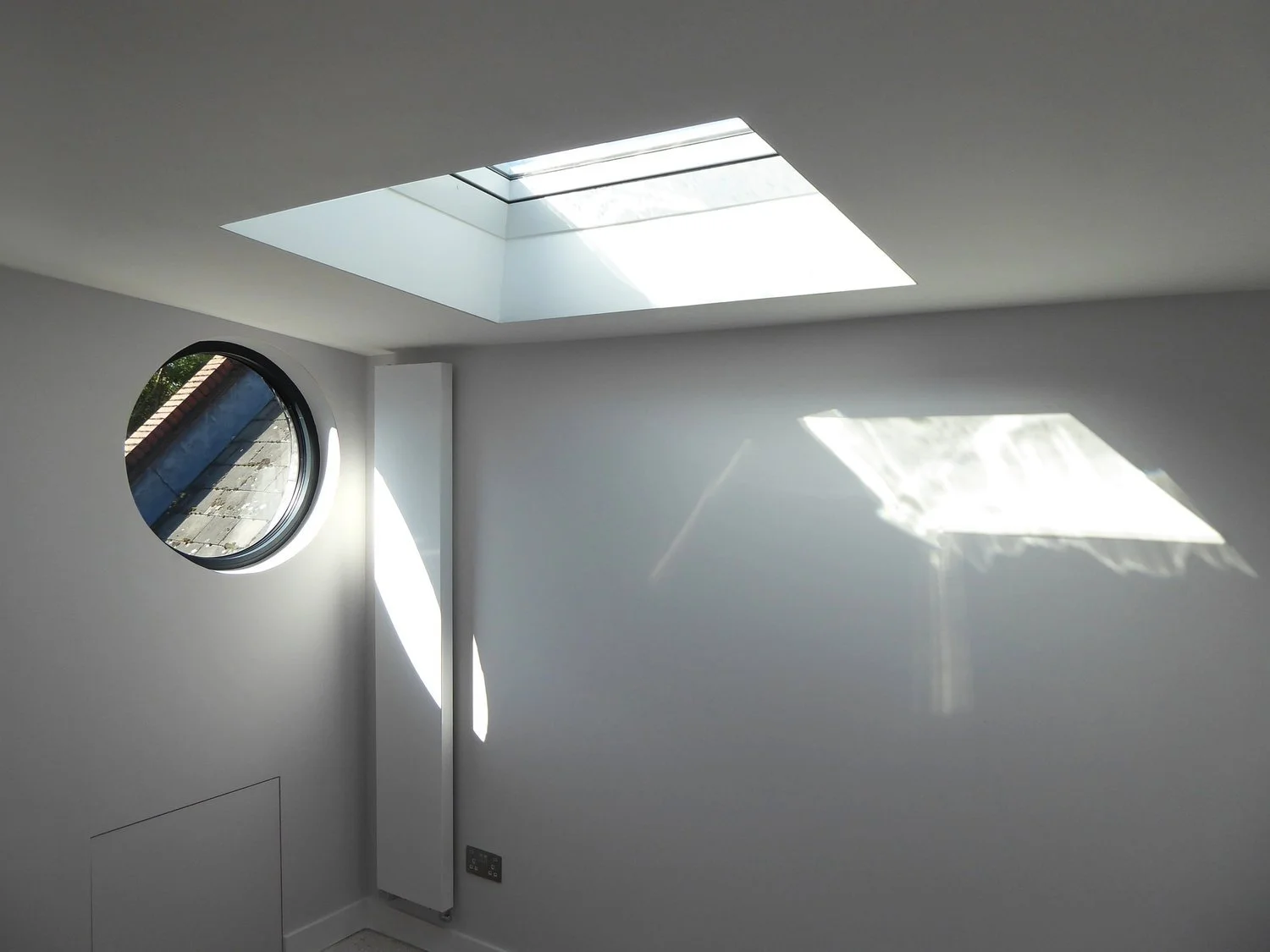
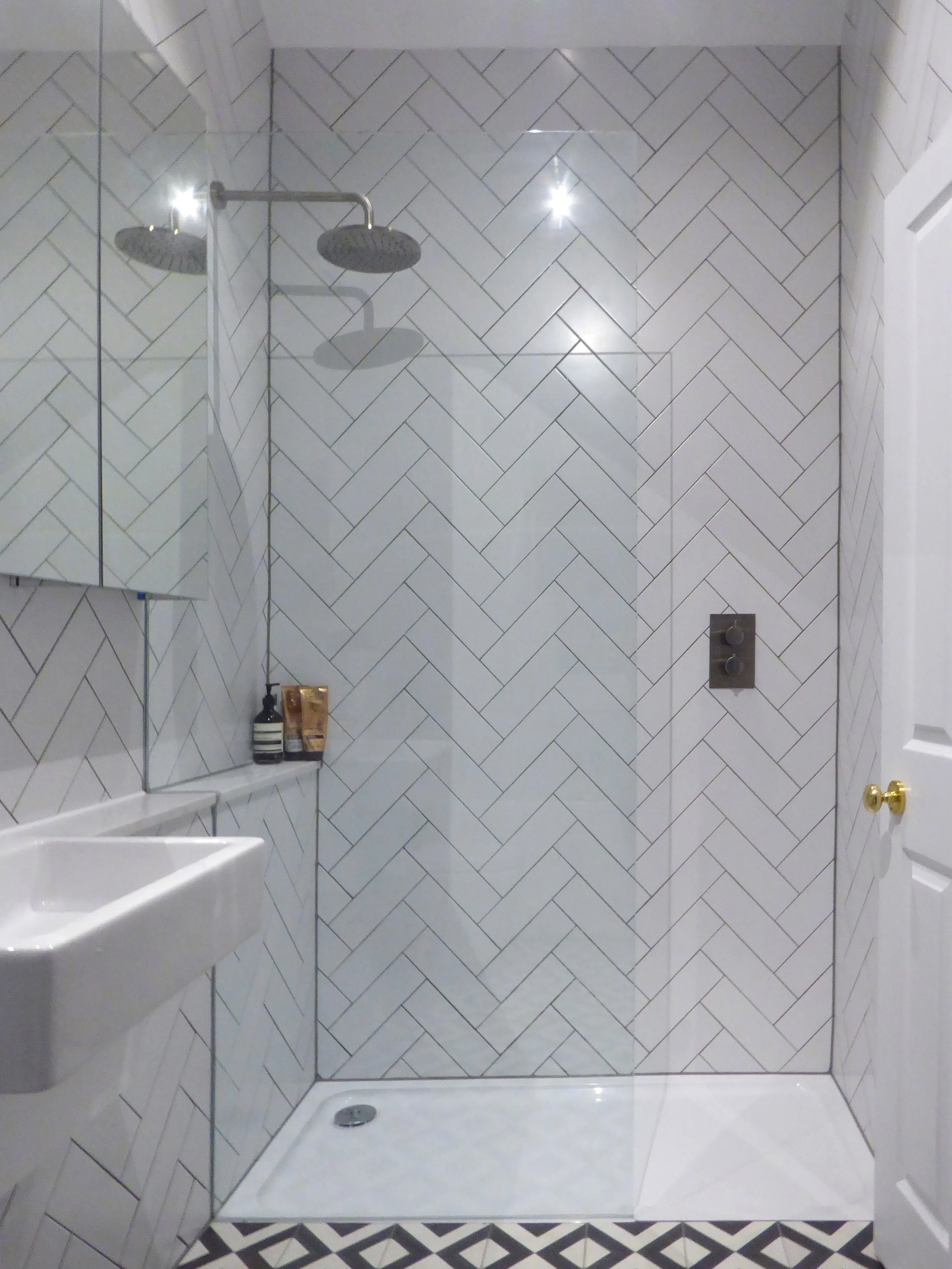
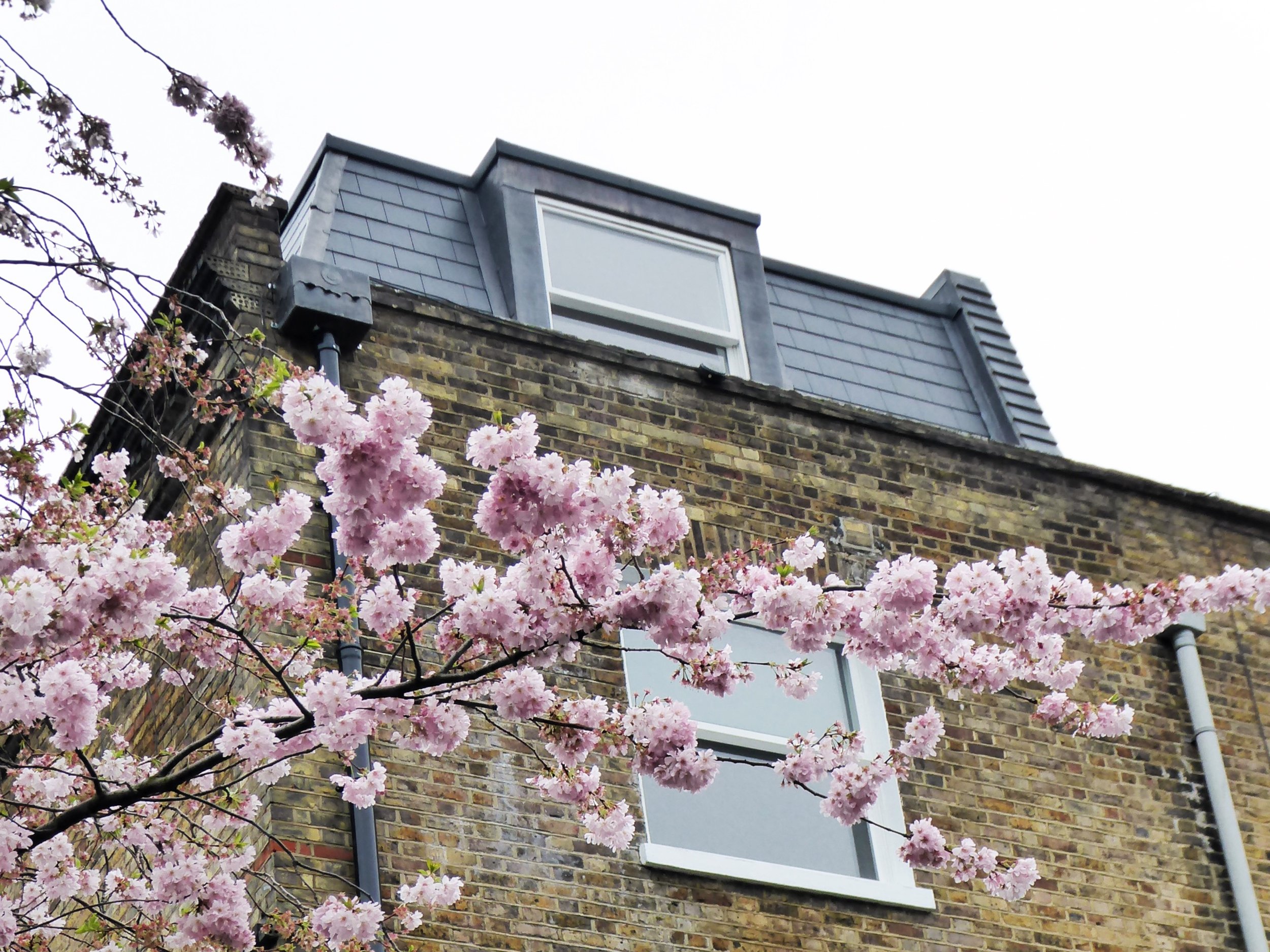
How we work
From initial inquiry to finished loft - Six clear stages
For all new business enquiries, we begin with a free one hour consultation. If possible, before you contact us please draw up a brief (a wish-list for the project). We can see your project through the whole process from planning to construction completion or limit services to the initial stages. How much or little you commission is up to you.
01
Consultation [FREE]
We visit your home or have a virtual meeting to assess feasibility, discuss your ideas and give you an honest picture of what is achievable and at what potential cost.
02
Measured Survey & Concept Feasibility
We carry out a detailed measured survey of your property. This is the foundation for all design and planning work. We produce architectural drawings, design options (based on your design ideas) and highlight problems that need solving. We can also provide an approximate project cost estimate based on previous completed projects.
03
Planning Submission
We revise the architectural drawings and submit your Planning Application or Permitted Development Notification. We prepare all supporting information and advise if specialist consultant reports are required.
04
Final Design & Detailed Design
We finalise the design materials, finishes, appliances and fittings, along with electrical layouts. We help you to appoint a structural engineer, along with any other specialist consultants, such as Party Wall surveyors etc. We prepare detail design drawings and co-ordinate with the structural design and any other consultants appointed. We check the detailed design for compliance with building regulations.
05
Tender & Construction
We help you select a contractor, review quotes and set up a fair, transparent building contract. We administer the contact, inspect the works on site, and are available throughout the build. We keep a track of cost and can check payments due to the builder.
06
Handover & Close Out
We inspect and value the works to certify Practical Completion at handover. We then stay in touch through 6 month defects period and carry out a final inspection to certify the last payment, protecting your interests to the very end.
Client Testimonials
What our clients say
★★★★★
“I hired MTA to provide their services to obtain planning permission for me in a conservation area. They were transparent with their fees and scope of service. I was impressed with their service as they delivered results in the time frame discussed and we obtained planning permission without incurring any additional delays or costs. I found Michael to be professional and friendly. I would definately use their services again and would recommend to others.”
Chirag Shah
★★★★★
“We love our Edwardian 6 bedroom home where we brought up our three daughters but want to renovate it so that it worked for us in our new stage of life. We wanted light, space and modern functionality but also needed to respect the history and style of the house. We looked at 10 different architects via RIBA and interviewed 4 firms. MTA were excellent from start to finish. Michael Trentham and his team listened carefully to our ideas and aspirations, asked lots of questions and came out with 3 different plans. These were as elevation drawings and as 3D movies and were detailed enough to see how the space would work for us. Further adaptations resulted in a project we could not have envisaged on our own. MTA obtained planning permission and helped manage the tender process. The builders all commented on the accuracy and detailed nature of the plans. We elected not to ask MTA to project manage the build but that option was available. Honestly we can’t recommend them enough - imaginative without being whacky, respectful of the style of the property without being stuffy and lovely to work with.”
Anthony Michalski
★★★★★
“Working with the MTA team meant this project ran very smoothly. They gave us an excellent design, getting planning permission was problem free and their project management was also very good. We had no major problems during the design or build process and details were sorted quickly. Budget control was excellent.”
Felix Scarlett
Common questions
What people ask us most
-
Many loft conversions fall under Permitted Development rights and do not require a formal planning application, particularly hip-to-gable and rear dormer conversions on terraced and semi-detached houses, if not in conservation areas. We will make an assessment at your free consultation.
-
A typical London loft conversion ranges from £65,000 to £140,000 depending on size, roof type, specification and number of dormer windows etc. Our architectural fee is a fixed fee based on our time involved, agreed upfront. We will give you a realistic cost range at your free site visit - before any commitment.
-
From your first consultation to moving into the new room, expect 9-12 months. This includes approximately 12 weeks for design and planning, 8 weeks for building regulations/detailed design, and 16-24 weeks on site. Many Permitted Development conversions move faster.
-
Many of our clients remain in their homes throughout the build. Access is typically via a scaffold through the roof so your day-to-day living is minimally disrupted. We ask the builders to plan the construction sequence carefully to keep noise and dust contained.
-
Head height is the most common concern. There are several structural strategies for increasing usable height, and we assess this precisely at the measured survey stage. We have converted many roofs that homeowners assumed were too low.
